




Set Your Stratex® Floor Up for Long Term Success

When customers ask how to set Stratex® floors up for success, the answer is almost always in the preparation.
Stratex® is a high-quality flooring with a stable mineral composite core and a waterproof surface. It’s designed to last for years, but only if it’s installed on the right foundation, in the right way.
Understanding Waterproof Performance
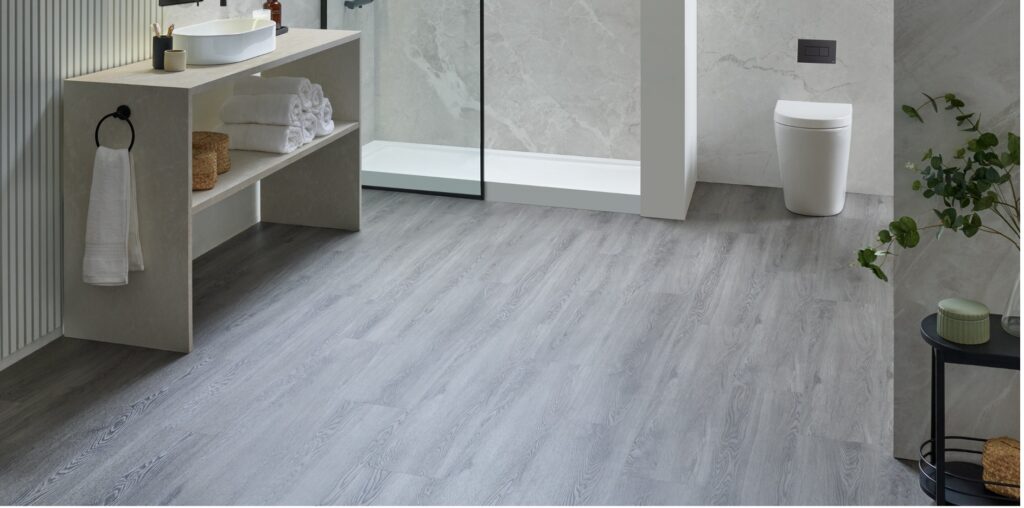
Stratex® planks are 100% waterproof, with a durable PU-coated vinyl layer. This surface easily resists spills and daily moisture, making them excellent for kitchens, bathrooms, and busy homes. Beyond its waterproof design, Stratex® offers a range of benefits including impressive stability, strength and style.
It is important to remember that the product uses a floating installation system with a locking joint. This system is not designed to create a watertight seal beneath the floor. Moisture that becomes trapped under the surface due to incorrect preparation can limit ventilation, so managing moisture levels is an essential part of every installation.
If you’re new to Stratex®, you might find this detailed guide helpful.
The Importance of Moisture Testing
Moisture control is one of the most important factors in creating a long lasting installation. Even when the subfloor feels dry, it may still hold moisture that affects long term performance.
Industry standards recommend professional testing every time. For Stratex:
- Concrete: ≤ 70% RH (in-situ test)
- Timber: ≤ 11% WME
- Anhydrite Screeds: ≤ 0.5% CM
Reliable tools such as a Protimeter MMS, Tramex meter or CM tester help ensure the subfloor is ready for installation. Proper testing gives peace of mind and supports a stable foundation from day one.
Do You Need a Damp-Proof Membrane (DPM)?
If relative humidity is over 70%, a liquid-applied DPM or physical DPM is essential.
This step protects the installation from rising moisture and helps maintain consistent conditions beneath the floor. A suitable DPM is part of supporting the long term success of your flooring and meeting industry guidance.
Sealing Perimeters the Right Way
It’s tempting to use silicone or mastic to seal the edges tightly, thinking it will keep water out. In fact, this restricts the movement of a floating floor.
Stratex® performs best when it has space to expand and contract with seasonal changes. The floor should be able to move freely within the recommended temperature range of 15 to 25 degrees Celsius.
Allow a 2 to 3 millimetre expansion gap around all perimeters and fixed objects. Cover this gap with scotia or skirting that sits neatly without pinning the floor. This approach supports a smooth, balanced finish throughout the room.
Installing Beneath Fixed Units
Stratex® is a floating floor designed to move slightly with environmental changes. Anchoring it beneath heavy kitchen units or islands prevents this movement.
Over time, you may see buckling, cracked joints, or an uneven finish in larger areas.
The best practice is to always install the kitchen first. Then lay Stratex® up to the unit plinths, leaving the necessary gap. This avoids waste and ensures reliable performance.

Subfloor Flatness: The Professional Standard
Stratex® has a rigid, durable core that copes well with small imperfections, but the subfloor still needs to meet flatness requirements.
British Standard guidelines:
- SR1 (recommended): < 3 mm deviation over 2 m
- SR2 (acceptable): < 5 mm over 2 m
- SR3: (unsuitable): <10mm over 2 m
Assess the subfloor with a 2m straightedge and slip gauge, addressing high spots with grinding or filling low areas with compatible levelling compounds to achieve correct flatness.
Underfloor Heating Considerations
Stratex® works beautifully over underfloor heating when the right steps are followed. The subfloor surface temperature must never exceed 27 °C, protecting the structural integrity of the floor. Before installation, sealed packs should acclimatise in the room for at least 24 hours. Heating systems should be turned off 48 hours before fitting begins, ensuring the subfloor cools to a safe temperature. After installation, the temperature should be increased gradually, no more than 1 °C per day, to avoid sudden expansion or shrinkage. This gradual change supports stability and helps the floor settle gently into place.
Stratex®’s Built-in Underlay
Stratex® includes its own carefully engineered integrated underlay, designed to work perfectly with the product’s thickness and click-joint system. Do not add extra underlay; this can harm the installation by creating a soft, compressible layer. This may introduce unnecessary movement and place stress on the joints.
For the best performance, install Stratex® directly onto the correctly prepared subfloor. This maintains the secure feel and long lasting stability the product is designed to deliver.
Compared to many laminates or standard vinyl floors, Stratex® is designed to deliver greater stability, built-in waterproof performance, and the reassurance of an integrated underlay when properly installed.
Conclusion: Why Getting It Right Matters
Stratex® flooring is built for durability, stability, and waterproof performance, making it a smart choice for kitchens, bathrooms, and busy family spaces. Preparing the subfloor carefully, managing moisture levels, allowing expansion, and following best practice for underfloor heating all contribute to beautiful and dependable results.
By understanding how to set Stratex® floors up for success, you can avoid common mistakes and enjoy a beautiful, reliable finish for years to come. For full installation instructions and clear, detailed guidance, our online resources are designed to help you achieve the best results with confidence.
